1914 Barber Quarter Coin Value: How Much Is It Worth?
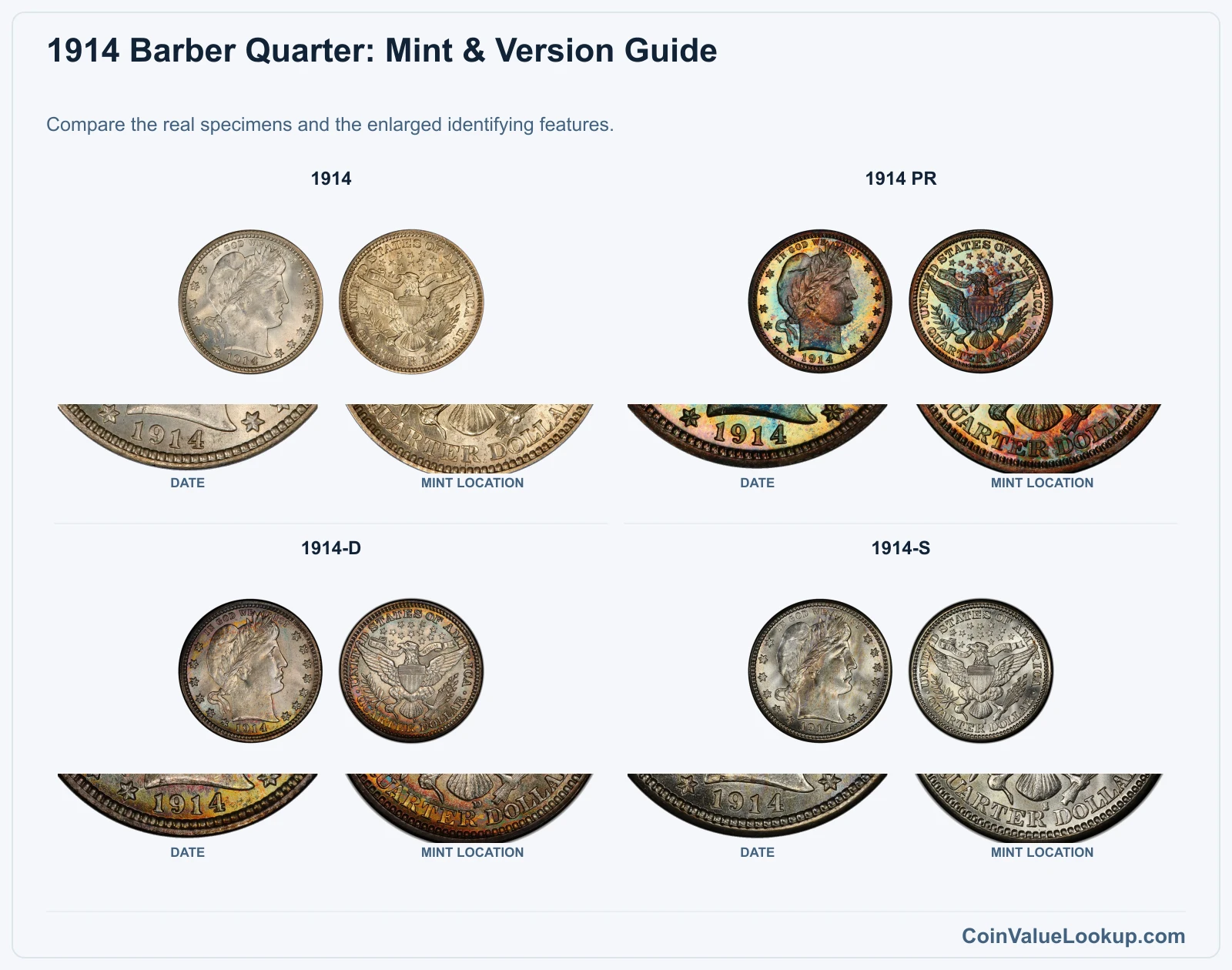
The 1914 Barber Quarter is a late-date entry in a series that ran from 1892 to 1916, struck in 90% silver with the classic laureate Liberty head obverse and heraldic eagle reverse. Guide estimates for this year range from about $21.00 to $3,094.00 depending on which mint produced the coin, whether it is a business strike or proof, and its condition.
That is not one price for every coin — your specific version and grade determine where it falls.
Fast Way to Identify Your 1914 Barber Quarter
The quickest way to start figuring out what your 1914 Barber Quarter is worth is to upload clear photos of both the front and back. Our preliminary identification tool uses those images to help narrow down the mint, version and general condition of your coin.
Snap the photos in even lighting without glare, and you will have a starting point in seconds.
1914 Barber Quarter Value
Upload both sides of your 1914 Barber Quarter.
Front Obverse
Upload photo
Back Reverse
Upload photo
Which 1914 Barber Quarter Versions Are Worth Money?
- 1914-S: The San Francisco mint issue carries the highest guide values, reaching $3,094.00 at MS63 according to USA Coin Book estimates.
- 1914 Proof: A proof-finish example is listed at $799.00 at PR63, a distinct manufacturing type worth confirming carefully.
- 1914-D: The Denver mint version shares guide values with the Philadelphia issue at lower grades but is a separate collectible branch worth identifying.
Step 1: Identify Your 1914 Barber Quarter Mint Mark and Version
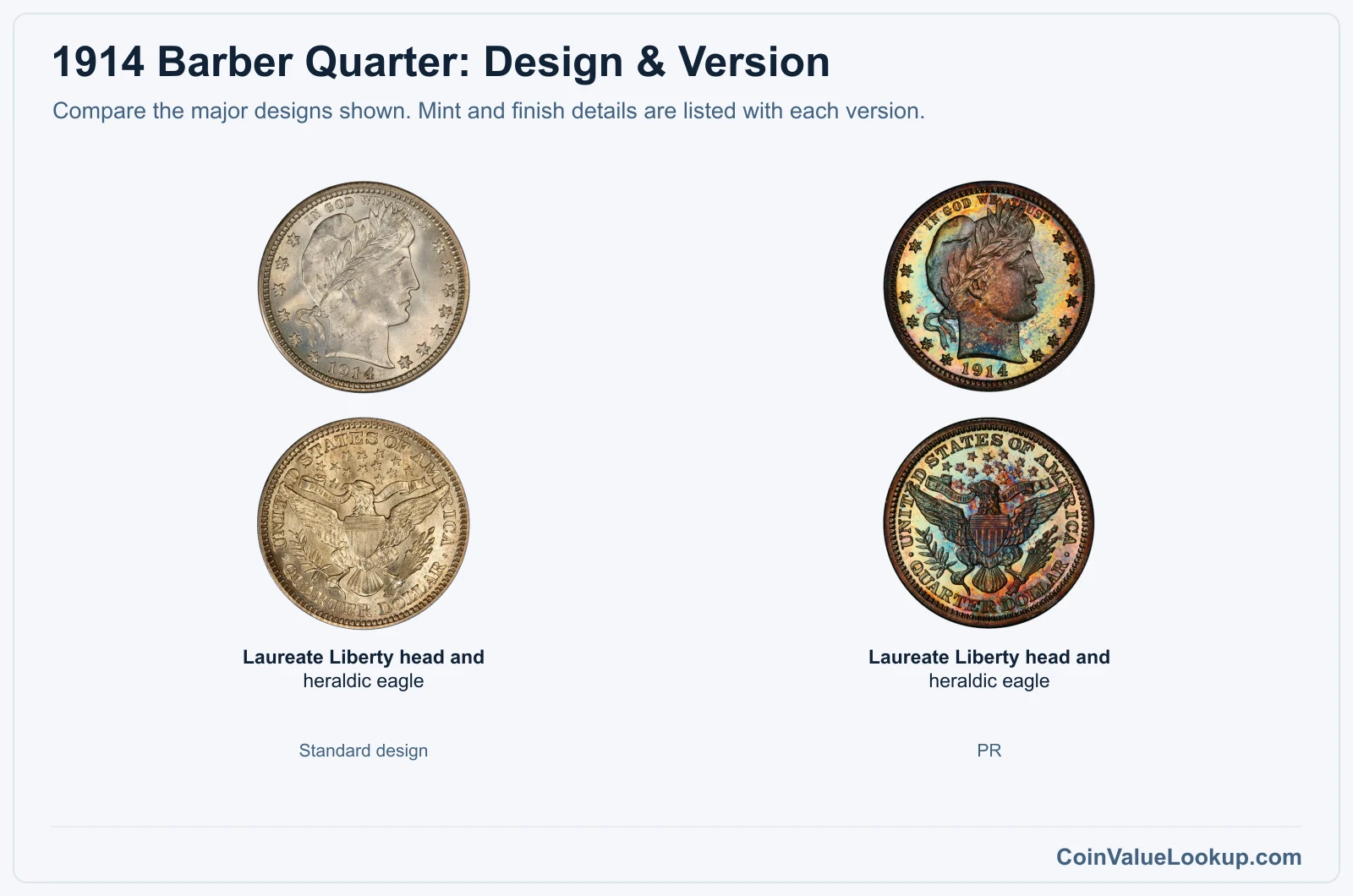
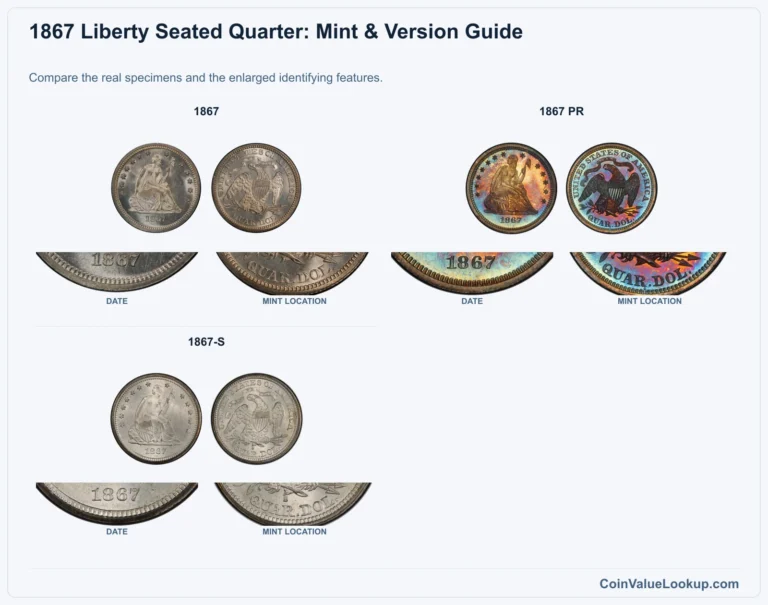
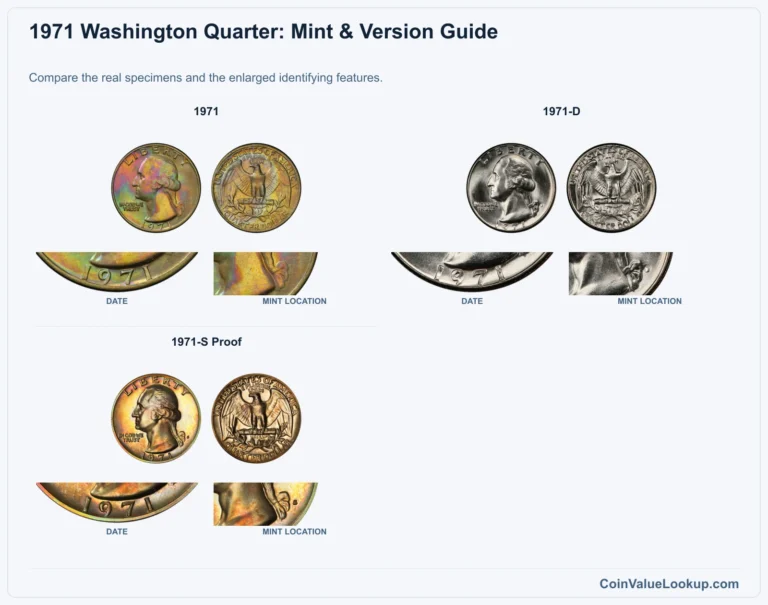
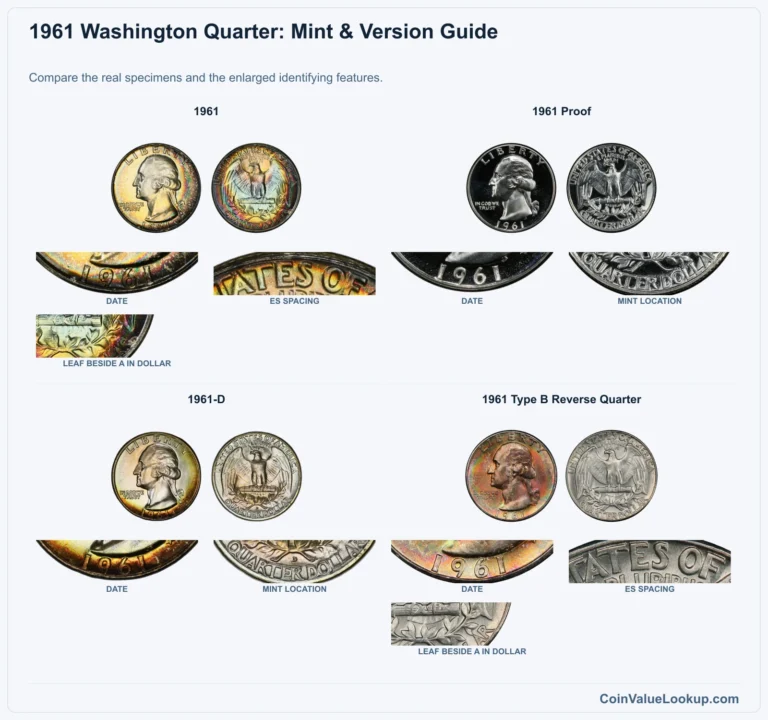
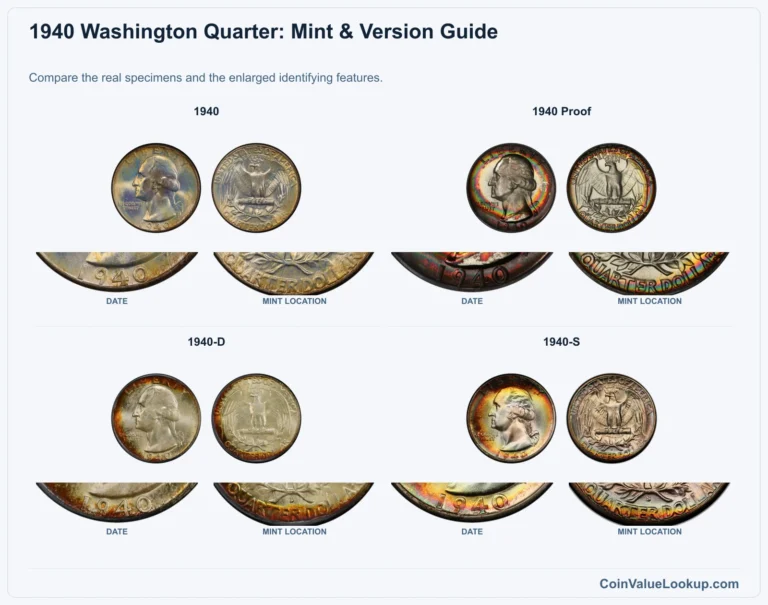
The 1914 Barber Quarter comes in four collectible branches: 1914 (Philadelphia, no mintmark), 1914 Proof (also Philadelphia, no mintmark but proof finish), 1914-D (Denver) and 1914-S (San Francisco). Finding the mintmark is step one.
Flip the coin over and look on the reverse just below the eagle's tail feathers and above the word "QUARTER." If you see a small "D" or "S," that is your mint. No letter means Philadelphia.
All versions share the same composition — 90% silver and 10% copper, weighing 6.25 grams. The obverse shows Liberty wearing a laurel wreath; the reverse carries a spread-winged heraldic eagle with a shield.
Do not confuse a proof with a high-grade business strike. Proofs were made with a different manufacturing process, not simply polished after the fact.
A shiny coin is not automatically a proof.
Step 2: Check Your 1914 Barber Quarter Grade
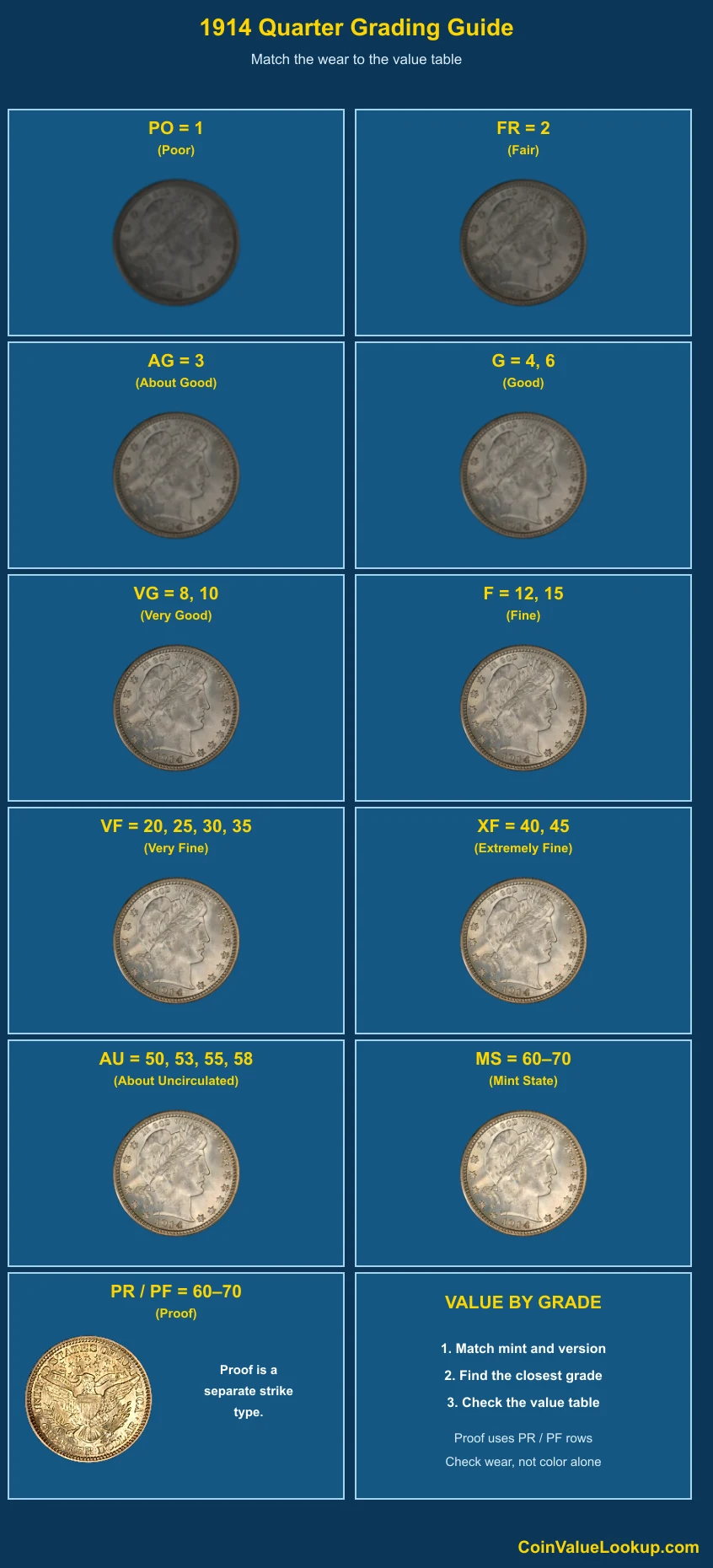
Start with Liberty's hair above the forehead and her cheek — these are the highest relief points and the first to show wear. On the reverse, check the eagle's breast, wing tips and tail feathers.
The word LIBERTY on the headband is a useful wear gauge, but do not rely on it alone because weak strikes can soften those letters even on unworn coins.
Compare your coin to the grading comparison image. Look at overall luster alongside detail sharpness.
A coin with full hair detail but a dull, wiped surface has likely been cleaned, which hurts its collector value. Match wear and surface quality together for an honest assessment.
Step 3: Check 1914 Barber Quarter Value by Mint and Version
1914 Barber Quarter
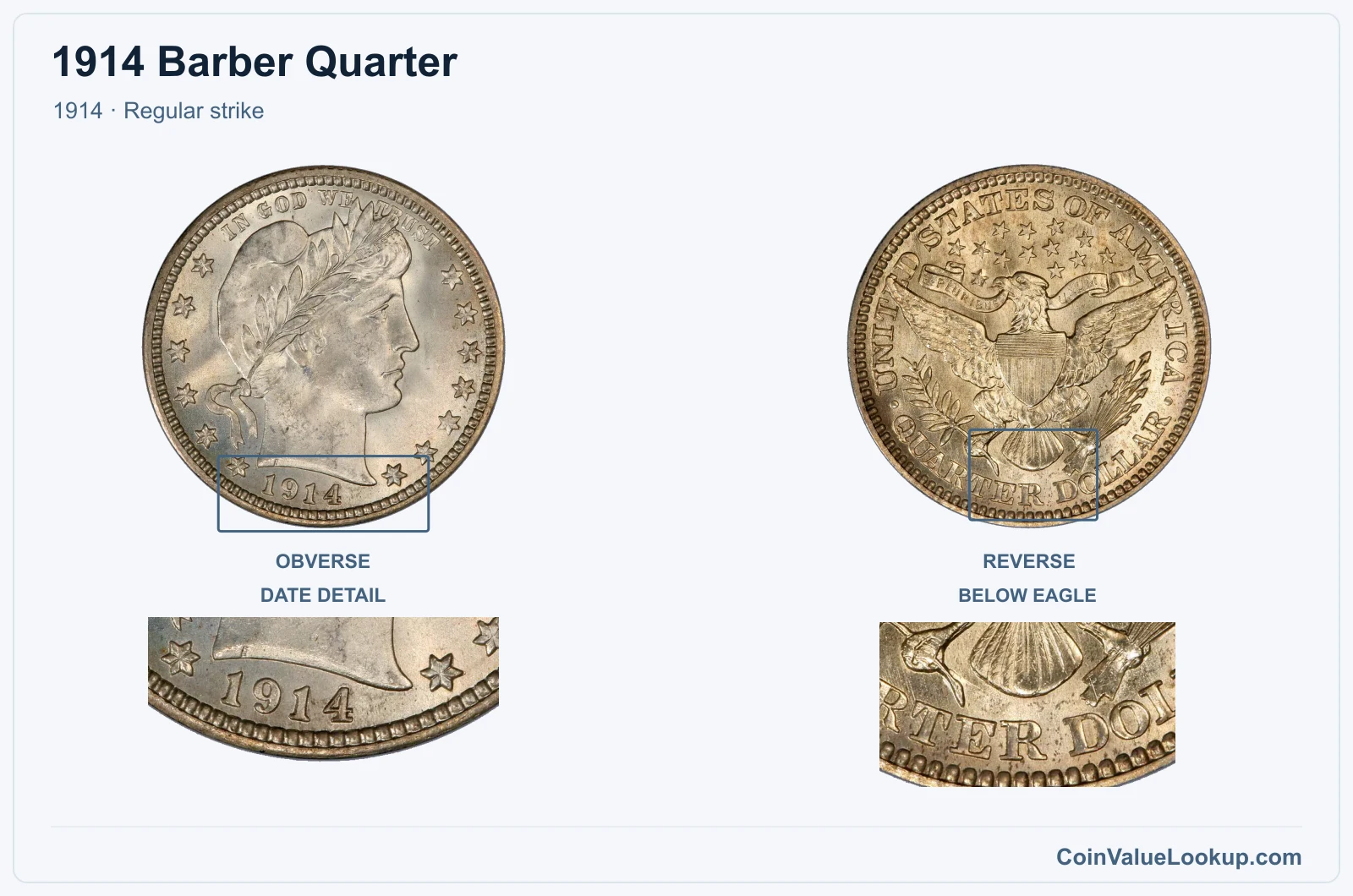
The 1914 Philadelphia quarter has no mintmark on the reverse. In well-worn Good-4 condition, USA Coin Book estimates place it around $21.00.
Jump to Mint State 60 and the guide rises to about $309.00, with an MS63 example listed at roughly $477.00. These are guide estimates, not guaranteed sale prices.
Before you get excited about higher values, confirm the surfaces are original. Cleaning, scratches and rim damage all pull a coin below what the grade charts suggest.
A natural, evenly toned example will always outperform a bright, harshly cleaned one at the same technical grade.
Range Grade
Price Auction Records Appraisal PO PO 1
—
Coin Identifier FR FR 2
—
Coin Identifier AG AG 3
—
Coin Identifier G G 4
—
Coin Identifier
G 6
—
Coin Identifier VG VG 8
—
Coin Identifier
VG 10
Coin Identifier F F 12
—
Coin Identifier
F 15
—
Coin Identifier VF VF 20
Coin Identifier
VF 25
—
Coin Identifier
VF 30
Coin Identifier
VF 35
Coin Identifier XF XF 40
—
Coin Identifier
XF 45
Coin Identifier AU AU 50
Coin Identifier
AU 53
Coin Identifier
AU 55
Coin Identifier
AU 58
Coin Identifier MS MS 60
Coin Identifier
MS 61
Coin Identifier
MS 62
Coin Identifier
MS 63
Coin Identifier
MS 64
Coin Identifier
MS 65
Coin Identifier
MS 66
Coin Identifier
MS 67
Coin Identifier
MS 68
—
—
—
MS 69
—
—
—
MS 70
—
—
—
1914 Barber Quarter — PR
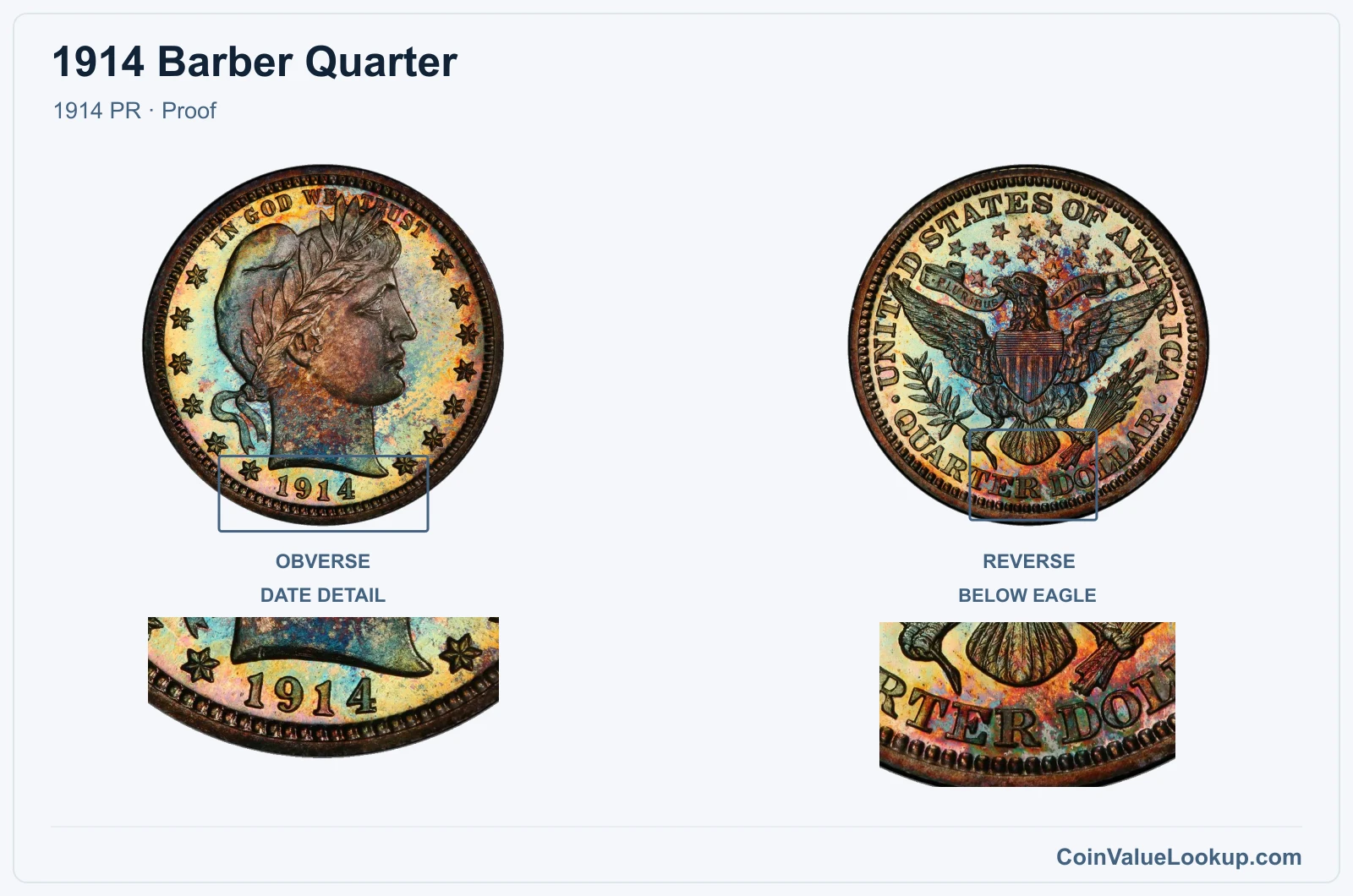
The 1914 Proof was struck at Philadelphia with no mintmark, just like the business strike — but the manufacturing process was entirely different. Proofs were struck on polished planchets with specially prepared dies, producing sharper detail and mirror-like fields.
USA Coin Book lists a PR63 example at about $799.00.
Do not assume your coin is a proof just because it looks shiny. Genuine proofs show squared, knife-like rims and a distinctive surface character you can compare against certified examples.
Hairlines from old cleaning and light haze are common on surviving proofs and affect value significantly. If you are unsure, professional authentication is the safest route.
Coin Value Lookup is a good place to start when you want to look up guide values for other dates and denominations in the Barber Quarter series or beyond.
Range Grade
Price Auction Records Appraisal PR PR 1
—
Coin Identifier
PR 2
—
Coin Identifier
PR 3
—
Coin Identifier
PR 4
—
Coin Identifier
PR 6
—
Coin Identifier
PR 8
—
Coin Identifier
PR 10
—
Coin Identifier
PR 12
—
Coin Identifier
PR 15
—
Coin Identifier
PR 20
—
Coin Identifier
PR 25
—
Coin Identifier
PR 30
—
Coin Identifier
PR 35
—
Coin Identifier
PR 40
—
Coin Identifier
PR 45
—
Coin Identifier
PR 50
—
Coin Identifier
PR 53
—
Coin Identifier
PR 55
—
Coin Identifier
PR 58
—
Coin Identifier
PR 60
—
Coin Identifier
PR 61
—
Coin Identifier
PR 62
Coin Identifier
PR 63
Coin Identifier
PR 64
Coin Identifier
PR 65
Coin Identifier
PR 66
Coin Identifier
PR 67
Coin Identifier
PR 68
Coin Identifier
PR 69
—
—
—
PR 70
—
—
—
1914 Barber Quarter — D
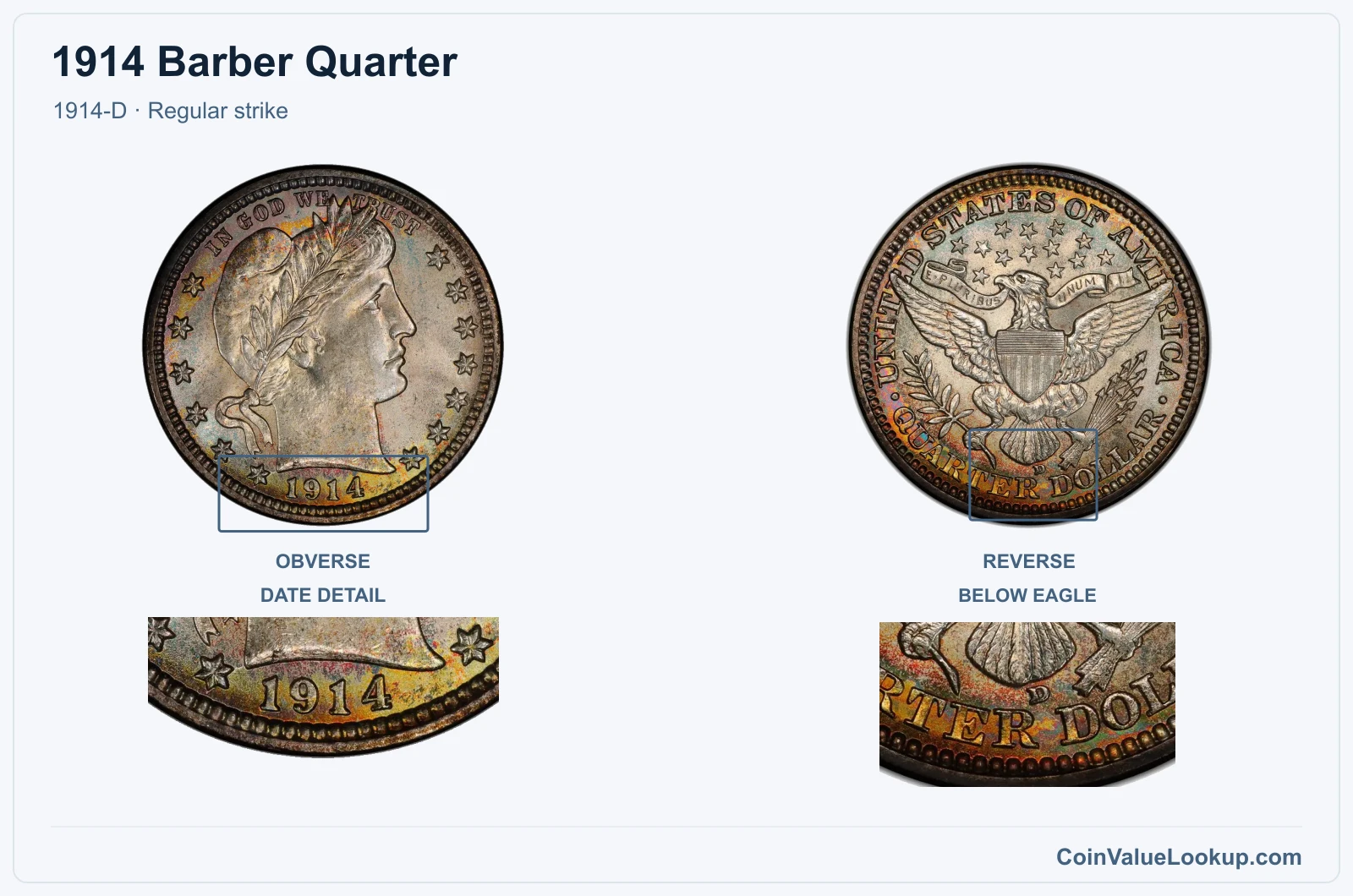
Look for a small "D" mintmark on the reverse below the eagle's tail. The 1914-D shares the same USA Coin Book guide figures as the Philadelphia issue: about $21.00 in Good-4, $309.00 at MS60 and $477.00 at MS63.
These are retail guide estimates, not guaranteed offers.
Denver-mint Barber Quarters from this era can sometimes show softer strikes than their Philadelphia counterparts. Do not mistake a weak strike for wear.
Compare the high points against the overall luster and surface texture to gauge actual circulation wear accurately.
Range Grade
Price Auction Records Appraisal PO PO 1
—
Coin Identifier FR FR 2
—
Coin Identifier AG AG 3
—
Coin Identifier G G 4
—
Coin Identifier
G 6
—
Coin Identifier VG VG 8
—
Coin Identifier
VG 10
—
Coin Identifier F F 12
—
Coin Identifier
F 15
—
Coin Identifier VF VF 20
—
Coin Identifier
VF 25
—
Coin Identifier
VF 30
Coin Identifier
VF 35
Coin Identifier XF XF 40
Coin Identifier
XF 45
Coin Identifier AU AU 50
Coin Identifier
AU 53
Coin Identifier
AU 55
Coin Identifier
AU 58
Coin Identifier MS MS 60
—
Coin Identifier
MS 61
Coin Identifier
MS 62
Coin Identifier
MS 63
Coin Identifier
MS 64
Coin Identifier
MS 65
Coin Identifier
MS 66
Coin Identifier
MS 67
Coin Identifier
MS 68
—
—
—
MS 69
—
—
—
MS 70
—
—
—
1914 Barber Quarter — S
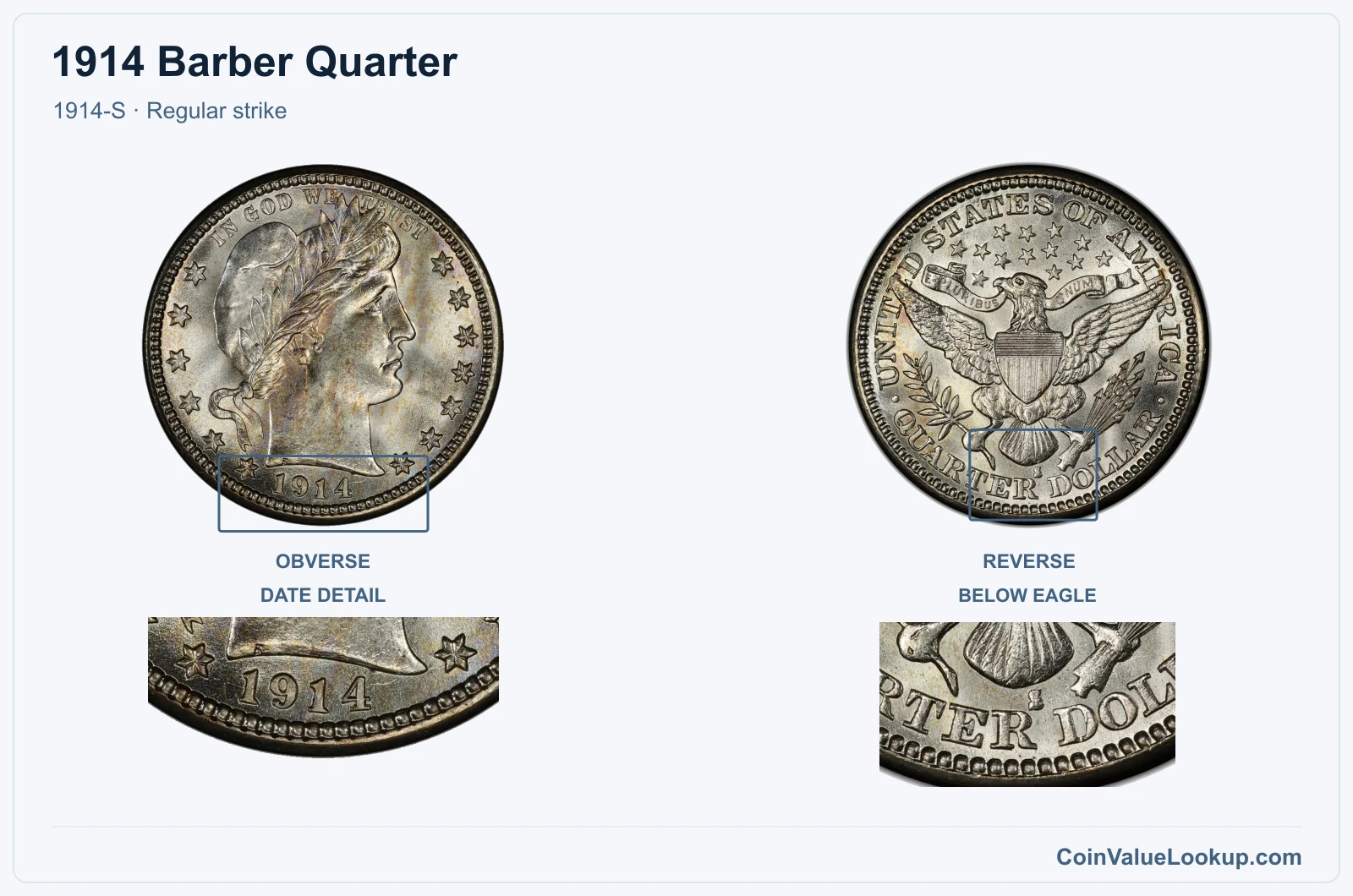
The 1914-S is the standout business-strike version this year. A small "S" mintmark sits on the reverse beneath the eagle's tail.
In Good-4 condition, USA Coin Book estimates the value at about $126.00 — already six times the Philadelphia or Denver issue at the same grade. At MS60 the guide jumps to roughly $1,996.00, and an MS63 example is listed at approximately $3,094.00.
Those high-grade prices reflect genuine scarcity in well-preserved condition. Most surviving examples saw heavy circulation.
If yours has sharp hair detail, full LIBERTY letters and good luster, it is worth careful handling and professional evaluation. Original surfaces matter enormously at these price levels — a cleaned MS63 coin will not command the same premium.
Range Grade
Price Auction Records Appraisal PO PO 1
—
Coin Identifier FR FR 2
—
Coin Identifier AG AG 3
Coin Identifier G G 4
Coin Identifier
G 6
Coin Identifier VG VG 8
Coin Identifier
VG 10
Coin Identifier F F 12
Coin Identifier
F 15
Coin Identifier VF VF 20
Coin Identifier
VF 25
Coin Identifier
VF 30
Coin Identifier
VF 35
Coin Identifier XF XF 40
Coin Identifier
XF 45
Coin Identifier AU AU 50
Coin Identifier
AU 53
Coin Identifier
AU 55
Coin Identifier
AU 58
Coin Identifier MS MS 60
—
Coin Identifier
MS 61
Coin Identifier
MS 62
Coin Identifier
MS 63
Coin Identifier
MS 64
Coin Identifier
MS 65
Coin Identifier
MS 66
Coin Identifier
MS 67
Coin Identifier
MS 68
—
—
—
MS 69
—
—
—
MS 70
—
—
—
1914 Barber Quarter Error List
1. 1914 Barber Quarter — Doubled Die Obverse
A Doubled Die Obverse has been reported on the 1914-D Barber Quarter specifically. This type of error occurs when the die itself receives a misaligned secondary impression during its creation, producing consistent doubling on every coin struck from that die.
On the obverse, look for separation, notching or a shadowed second image on the lettering or design elements. Genuine die doubling will appear uniform and directional.
Do not confuse this with machine doubling, which tends to produce flat, shelf-like distortion without the raised, split profile of a true doubled die. Reflections under magnification and general die wear can also mimic doubling at a glance.
Compare your coin against a known normal 1914-D under matching lighting conditions.
No specific price data is available for this variety. The value of any doubled-die coin depends heavily on the strength and visibility of the doubling, the coin's overall condition, and collector demand.
Professional authentication is recommended if you believe you have this variety.