1820 Coronet Head Cent Coin Value: How Much Is It Worth?
The 1820 Coronet Head Cent is a coin that rewards careful inspection. Guide estimates for ordinary business strikes range from about $38 in G4 to $3,377 in MS63, depending on which date variety you hold.
That spread matters — identifying the exact branch is the first step before pricing.
Fast Way to Identify Your 1820 Coronet Head Cent
The quickest way to start figuring out what you have is to upload clear photos of the front and back of your coin. A preliminary identification from those images can help sort out whether you're looking at a Large Date, Small Date, or the 1820/19 overdate before you go any further.
1820 Coronet Head Cent Value
Upload both sides of your 1820 Coronet Head Cent.
Front Obverse
Upload photo
Back Reverse
Upload photo
Which 1820 Coronet Head Cent Versions Are Worth Money?
- The 1820/19 overdate variety can reach around $3,377 at the MS63 level according to USA Coin Book, making the date area worth a very close look.
- Small Date examples also carry higher guide estimates than the Large Date in most grades, with up to about $3,247 listed at MS63.
- Mint errors such as off-center strikes or die breaks on any 1820 cent deserve individual assessment, as no standard pricing applies.
- Proof strikes from 1820 exist but require expert attribution of surfaces, rims, and die characteristics — they cannot be priced from ordinary business-strike guides.
Step 1: Identify Your 1820 Coronet Head Cent Mint Mark and Version
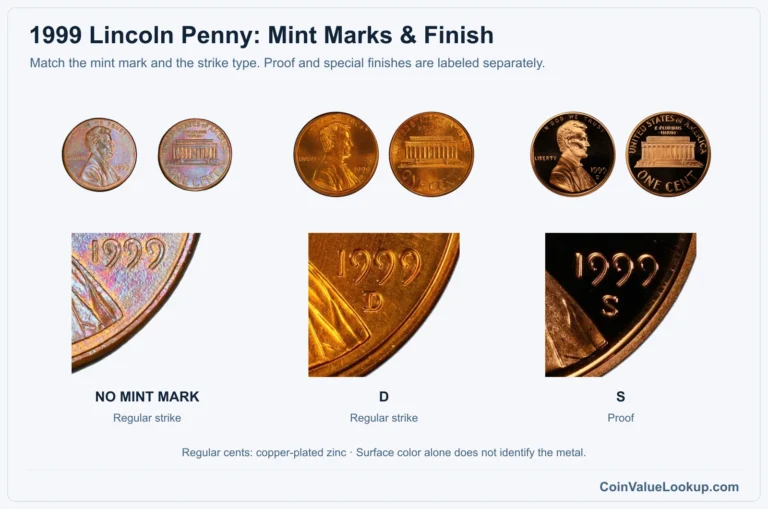
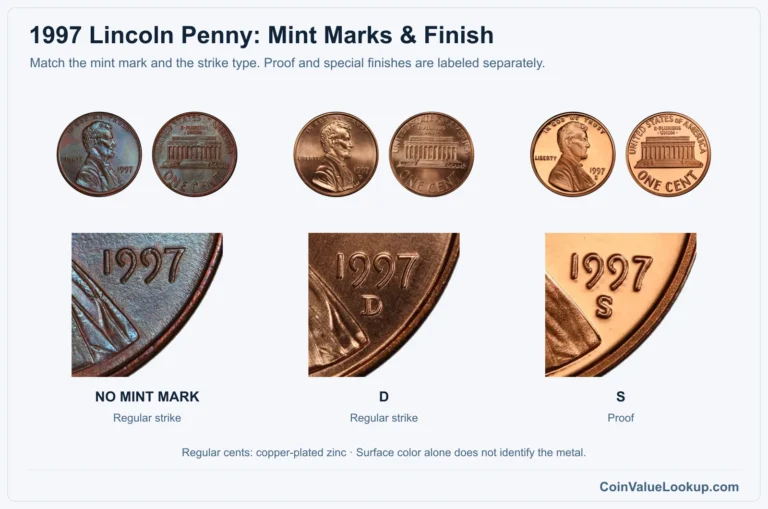
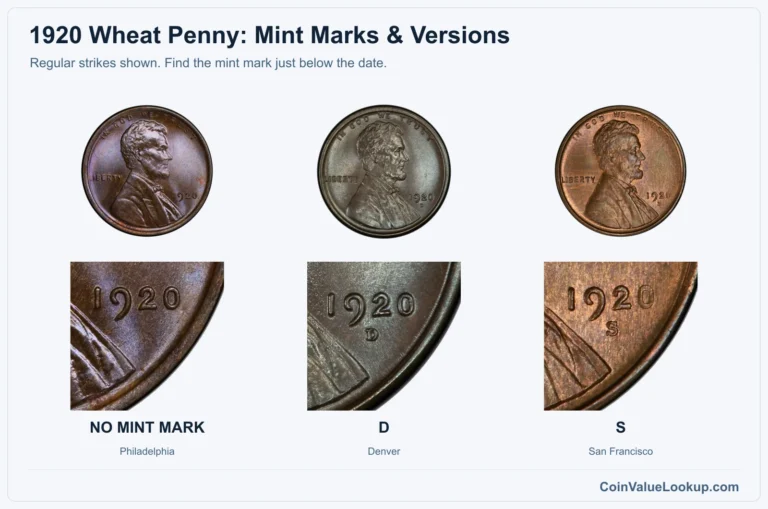
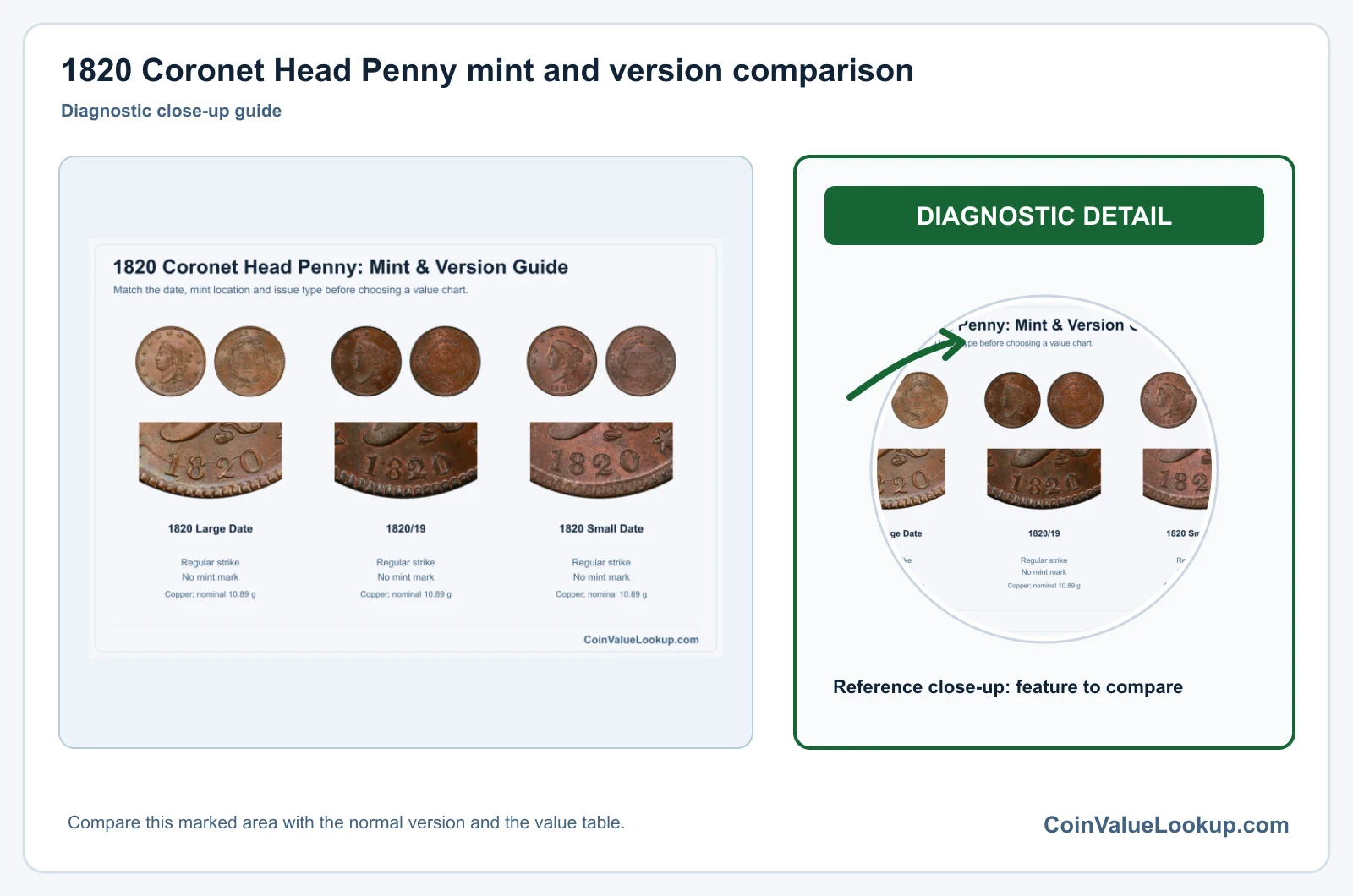
All 1820 Coronet Head Cents were struck at Philadelphia, so there is no mintmark to look for. The key distinction is in the date itself: Large Date, Small Date, and 1820/19 overdate varieties each have different numeral sizes, punch styles, and — in the overdate — remnants of the prior year beneath the final digits.
To tell them apart, you need a closeup of the date area. The Large Date has noticeably taller, broader numerals compared to the Small Date.
For the 1820/19, look under the "20" for traces of a "19" from the original die punch.
Inspect both sides and the edge. Legend spacing, wreath details, and overall die characteristics can help confirm your attribution.
Weight should be around 10.89 grams in copper, but wear, corrosion, and original production tolerances mean weight alone cannot prove authenticity or variety.
Step 2: Check Your 1820 Coronet Head Cent Grade
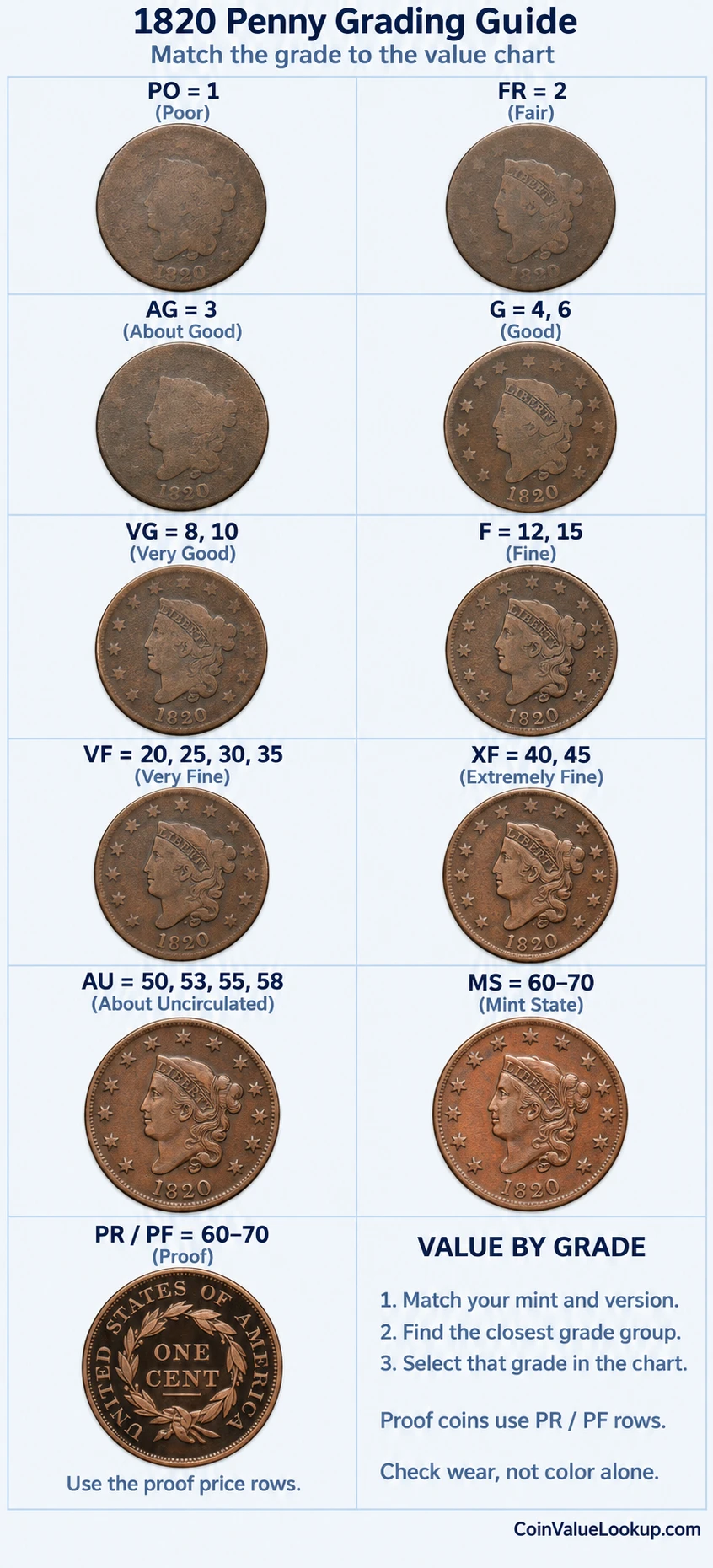
Focus on the portrait's hair detail above and behind the ear, the cheek contour, and the sharpness of the wreath leaves on the reverse. These are the high points that wear first.
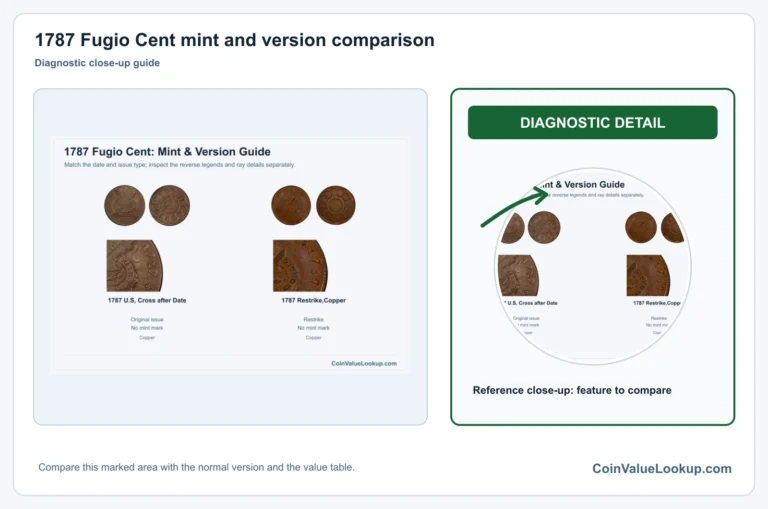
Compare your coin side by side with the reference image to gauge how much original detail remains.
Do not confuse a weakly struck area with honest circulation wear. Early copper cents often came off the press with soft spots, especially on the hair curls.
Corrosion and porosity are common on 200-year-old copper, and they can reduce market appeal well below what the remaining design sharpness might suggest.
Color designations like BN (brown), RB (red-brown), and RD (red) describe the surface color of the copper, not different metals. A coin with more original red color typically commands a premium in uncirculated grades.
Proof is a method of manufacture — mirror fields, sharp rims — not a grade above Mint State.
Step 3: Check 1820 Coronet Head Cent Value by Mint and Version
1820 Coronet Head Cent — Large Date
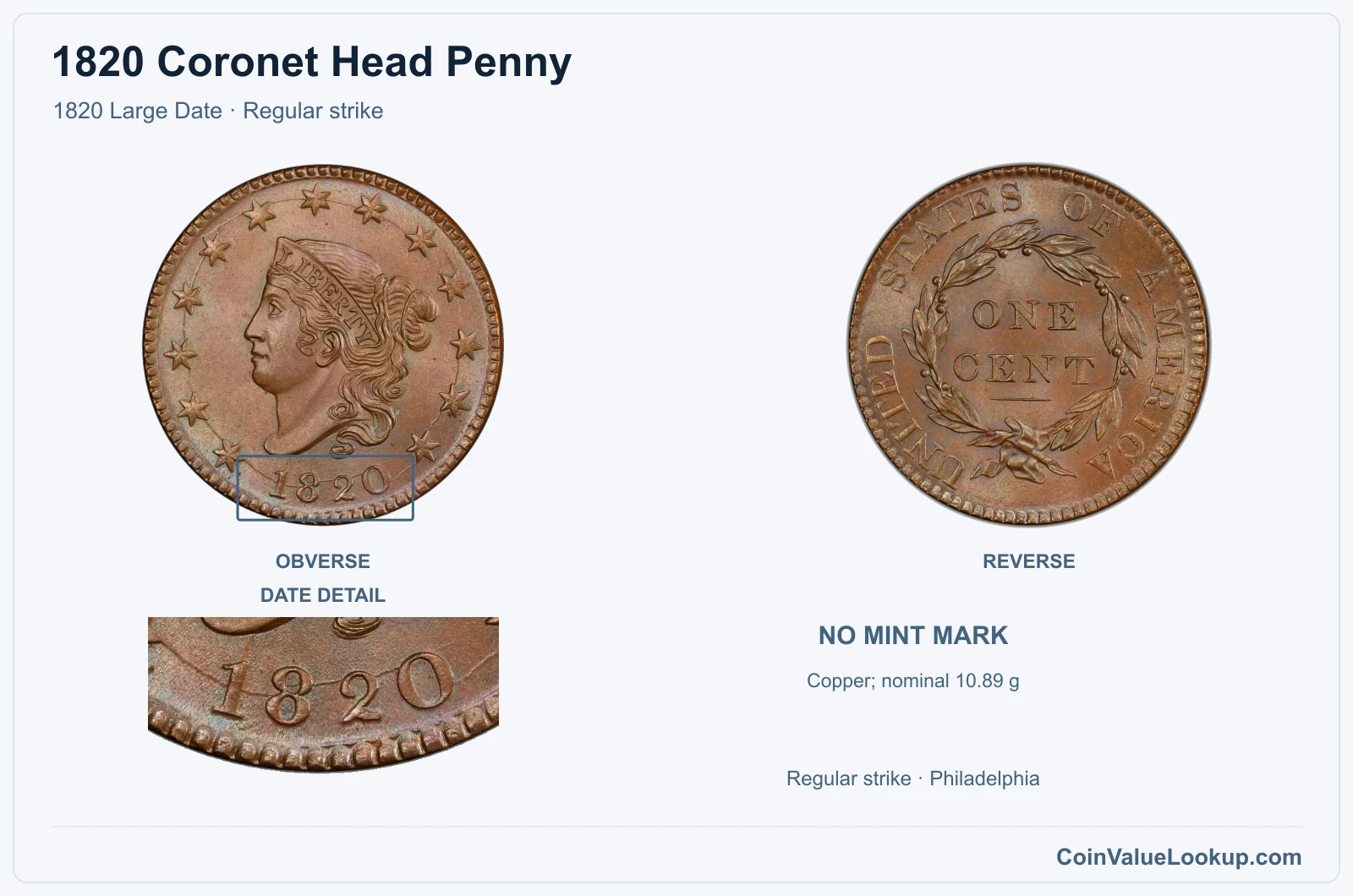
The 1820 Large Date is the most commonly encountered variety of this year. Its numerals are taller and wider than those on the Small Date, and the "1" and "8" in particular look beefier.
All were struck at Philadelphia in copper with no mintmark.
USA Coin Book lists guide estimates from about $38 in G4 up to roughly $1,187 in MS63. That is a solid range, but the Large Date generally trails the Small Date and overdate at the upper grades.
Still, a well-preserved example with good eye appeal can be a strong coin in any collection of early copper.
| Range | Grade | Price | Auction Records | Appraisal |
|---|---|---|---|---|
| PO | PO 1 | — | Coin Identifier | |
| FR | FR 2 | — | Coin Identifier | |
| AG | AG 3 | — | Coin Identifier | |
| G | G 4 | Coin Identifier | ||
| G 6 | — | Coin Identifier | ||
| VG | VG 8 | Coin Identifier | ||
| VG 10 | Coin Identifier | |||
| F | F 12 | Coin Identifier | ||
| F 15 | Coin Identifier | |||
| VF | VF 20 | Coin Identifier | ||
| VF 25 | Coin Identifier | |||
| VF 30 | Coin Identifier | |||
| VF 35 | Coin Identifier | |||
| XF | XF 40 | Coin Identifier | ||
| XF 45 | Coin Identifier | |||
| AU | AU 50 | Coin Identifier | ||
| AU 53 | Coin Identifier | |||
| AU 55 | Coin Identifier | |||
| AU 58 | Coin Identifier | |||
| MS | MS 60 | Coin Identifier | ||
| MS 61 | Coin Identifier | |||
| MS 62 | Coin Identifier | |||
| MS 63 | Coin Identifier | |||
| MS 64 | Coin Identifier | |||
| MS 65 | Coin Identifier | |||
| MS 66 | Coin Identifier | |||
| MS 67 | — | — | — | |
| MS 68 | — | — | — | |
| MS 69 | — | — | — | |
| MS 70 | — | — | — |
1820 Coronet Head Cent — /19
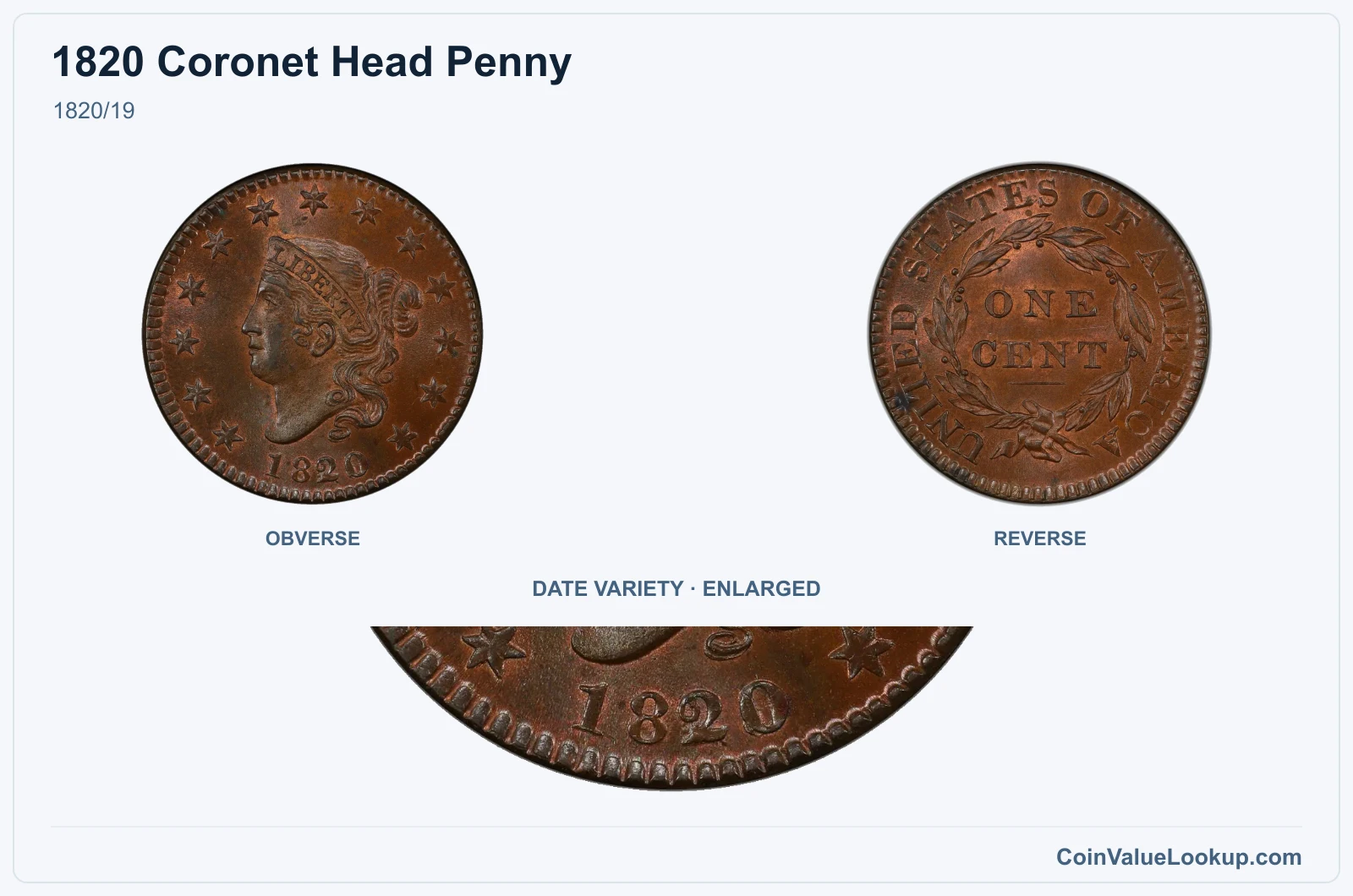
The 1820/19 is an overdate variety — the Mint reused an 1819-dated die and punched "20" over the old "19." Under magnification, you can spot remnants of the "19" lurking beneath the final two digits. It is a die variety, distinct from a damaged or re-engraved date.
This is the priciest ordinary business-strike branch for the year. USA Coin Book estimates run from about $38 in G4 to approximately $3,377 in MS63.
That high-end figure reflects genuine scarcity in upper grades. Because the overdate detail can be subtle on well-worn examples, a clear closeup of the date is essential for proper attribution.
Coin Value Lookup is a good starting point if you want to compare this variety against other early copper cent guides before seeking professional attribution.
| Range | Grade | Price | Auction Records | Appraisal |
|---|---|---|---|---|
| PO | PO 1 | — | Coin Identifier | |
| FR | FR 2 | — | Coin Identifier | |
| AG | AG 3 | — | Coin Identifier | |
| G | G 4 | — | Coin Identifier | |
| G 6 | — | Coin Identifier | ||
| VG | VG 8 | — | Coin Identifier | |
| VG 10 | Coin Identifier | |||
| F | F 12 | Coin Identifier | ||
| F 15 | Coin Identifier | |||
| VF | VF 20 | Coin Identifier | ||
| VF 25 | Coin Identifier | |||
| VF 30 | Coin Identifier | |||
| VF 35 | Coin Identifier | |||
| XF | XF 40 | Coin Identifier | ||
| XF 45 | Coin Identifier | |||
| AU | AU 50 | — | Coin Identifier | |
| AU 53 | Coin Identifier | |||
| AU 55 | Coin Identifier | |||
| AU 58 | Coin Identifier | |||
| MS | MS 60 | Coin Identifier | ||
| MS 61 | Coin Identifier | |||
| MS 62 | Coin Identifier | |||
| MS 63 | Coin Identifier | |||
| MS 64 | Coin Identifier | |||
| MS 65 | Coin Identifier | |||
| MS 66 | — | Coin Identifier | ||
| MS 67 | — | — | — | |
| MS 68 | — | — | — | |
| MS 69 | — | — | — | |
| MS 70 | — | — | — |
1820 Coronet Head Cent — Small Date
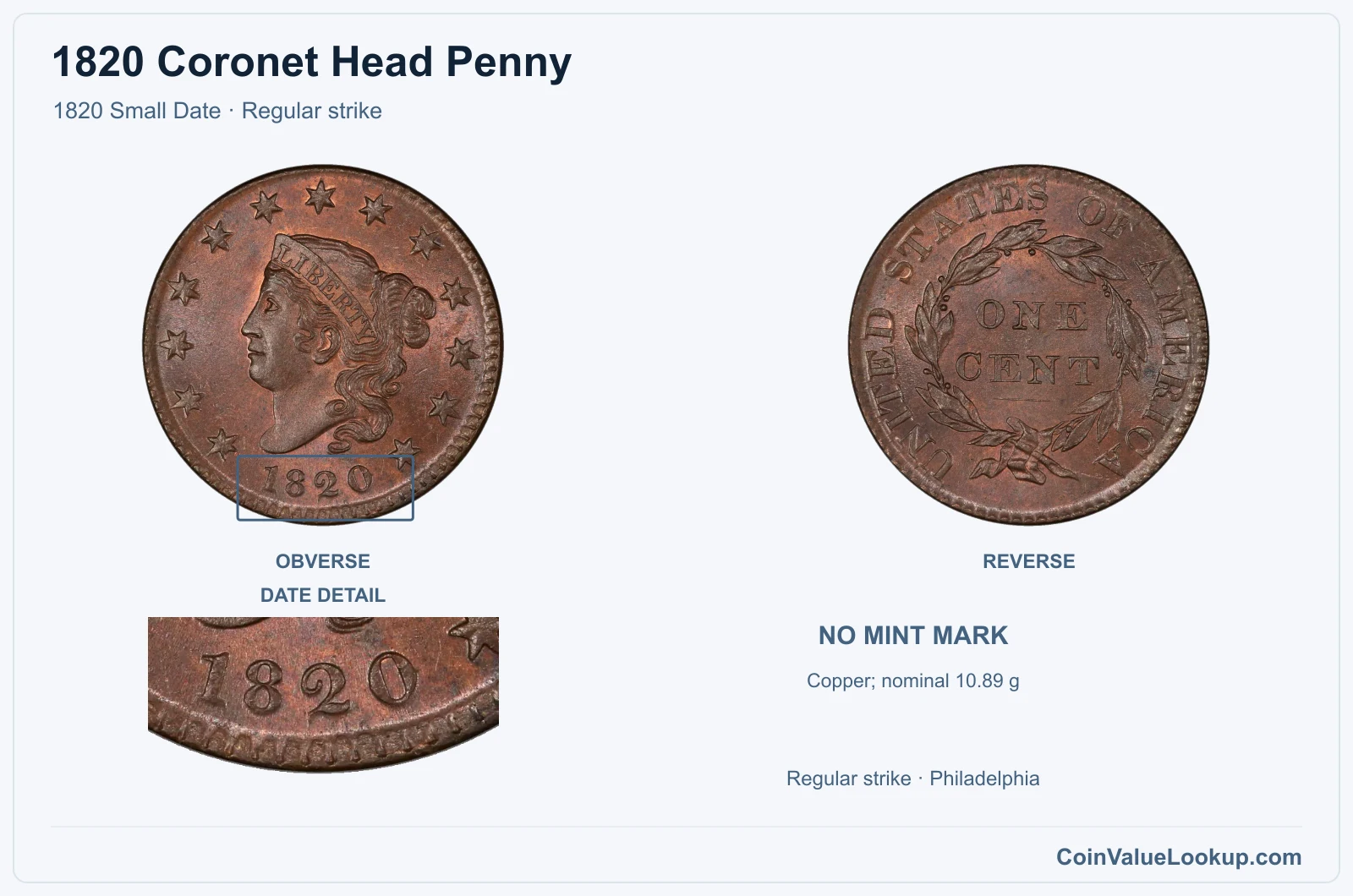
The 1820 Small Date uses noticeably more compact, thinner numerals than its Large Date sibling. The difference is easiest to spot in the "8" and "2," which appear narrower and more delicate.
You need a direct side-by-side comparison or a good reference image to be confident.
Guide estimates from USA Coin Book place the Small Date at roughly $43 in G4 and up to about $3,247 in MS63. Those upper-grade figures substantially exceed the Large Date, reflecting lower survival rates in high condition.
A genuine Small Date in original surfaces with minimal problems is a coin that serious early copper collectors actively seek.
| Range | Grade | Price | Auction Records | Appraisal |
|---|---|---|---|---|
| PO | PO 1 | — | Coin Identifier | |
| FR | FR 2 | — | Coin Identifier | |
| AG | AG 3 | — | Coin Identifier | |
| G | G 4 | — | Coin Identifier | |
| G 6 | — | Coin Identifier | ||
| VG | VG 8 | — | Coin Identifier | |
| VG 10 | Coin Identifier | |||
| F | F 12 | — | Coin Identifier | |
| F 15 | — | Coin Identifier | ||
| VF | VF 20 | Coin Identifier | ||
| VF 25 | — | Coin Identifier | ||
| VF 30 | Coin Identifier | |||
| VF 35 | Coin Identifier | |||
| XF | XF 40 | Coin Identifier | ||
| XF 45 | Coin Identifier | |||
| AU | AU 50 | Coin Identifier | ||
| AU 53 | Coin Identifier | |||
| AU 55 | Coin Identifier | |||
| AU 58 | Coin Identifier | |||
| MS | MS 60 | — | Coin Identifier | |
| MS 61 | Coin Identifier | |||
| MS 62 | Coin Identifier | |||
| MS 63 | Coin Identifier | |||
| MS 64 | Coin Identifier | |||
| MS 65 | — | Coin Identifier | ||
| MS 66 | — | — | — | |
| MS 67 | — | — | — | |
| MS 68 | — | — | — | |
| MS 69 | — | — | — | |
| MS 70 | — | — | — |
1820 Coronet Head Cent — Proof
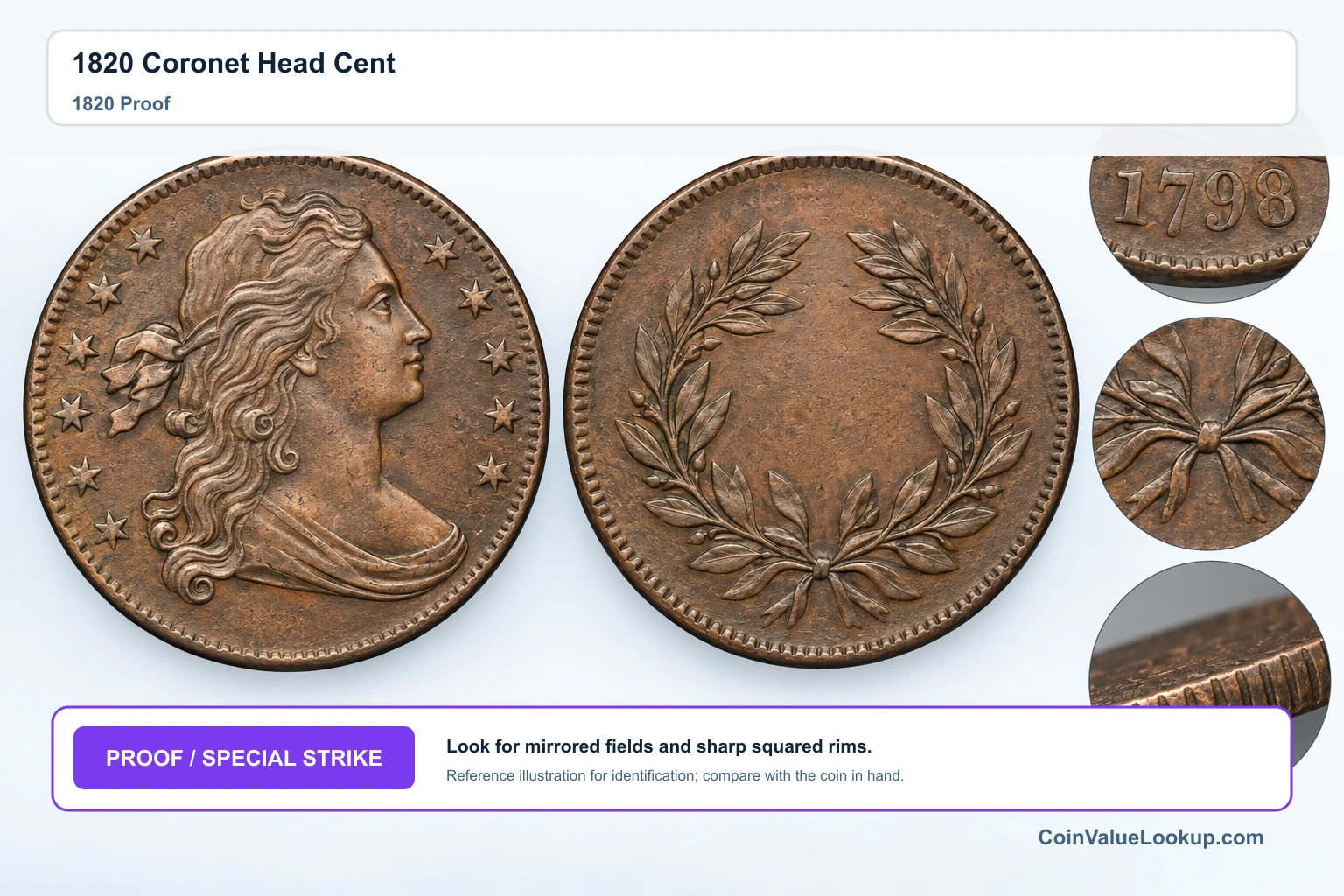
Proof 1820 Coronet Head Cents exist, but they are extreme rarities from the earliest era of deliberate proof coinage at the Philadelphia Mint. A proof is identified by its mirror-like fields, squared rims, and specific die characteristics — not simply by being shiny or well-preserved.
Polishing a business strike does not create a proof.
No ordinary business-strike price applies here. Each proof example requires individual assessment based on authenticated identity, surface preservation, and provenance.
Restrikes further complicate attribution. If you believe you have one, professional authentication is not optional — it is the only realistic path to establishing what you hold and what it might be worth.
Values by grade are not available for this coin yet.
1820 Coronet Head Cent Error List
1. 1820 Coronet Head Cent — Rotated Dies
A rotated die error means the obverse and reverse are not aligned in the normal 180-degree orientation. To check, hold the obverse upright, then flip the coin top to bottom.
On a normal U.S. coin the reverse should appear upright. If it is tilted, you may have a rotation error.
Be careful with photos — a rotated image is not a rotated die. Confirm it physically with the coin in hand.
The degree of rotation matters for collector interest; slight rotations are far less notable than dramatic ones. No standard pricing applies; each piece requires individual assessment based on the severity of the rotation, overall condition, and authentication.
2. 1820 Coronet Head Cent — Lamination / Split Planchet
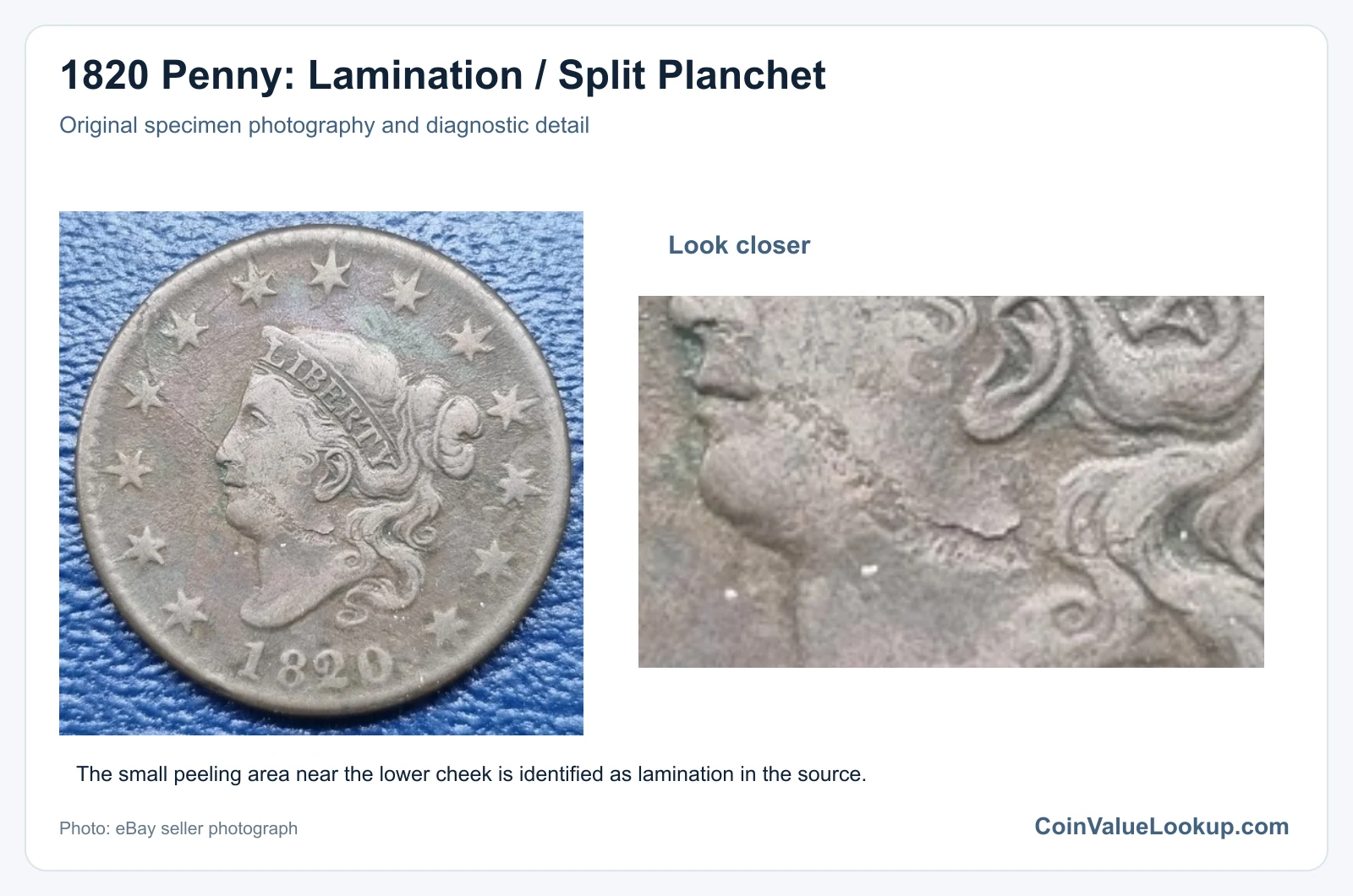
Lamination errors appear as peeling metal, a retained flap, or a visible separation within the copper planchet. On early copper, these can look dramatic — a thin layer pulling away from the body of the coin like a page from a book.
Photograph the edge and the affected face together so the depth and extent of the separation are clear. The key distinction is between a genuine lamination that occurred during production and post-mint damage such as scraping, deep corrosion, or a deliberately split coin.
Authentic laminations follow the metal's original rolling layers rather than showing random gouges or tool marks. Each lamination error requires individual assessment; no standard price range is adopted for this category.
3. 1820 Coronet Head Cent — Die Crack
Die cracks show up as raised lines running across the coin's surface. They form when a crack in the steel die transfers as a thin ridge onto every coin struck from it afterward.
On 1820 cents, look for fine raised lines crossing the fields or cutting through letters and design elements.
The difference between a die crack and a scratch is direction — literally. A die crack is raised above the surface; a scratch or tool mark is incuse, cut into it.
Corrosion lines can mimic cracks but usually lack the sharp, continuous profile. Get a closeup that shows the full date alongside the crack.
Value depends on severity, location, and the coin's overall condition, and each example needs individual assessment.
4. 1820 Coronet Head Cent — Die Break / Cud
A cud is a specific type of die break where a chunk of the die near the rim breaks away, leaving a raised, featureless blob of metal connected to the rim on the struck coin. Smaller interior die breaks exist too, but a true cud always touches the rim.
Do not confuse a rim dent or corrosion buildup with a cud. A cud displaces part of the design and has a smooth, raised plateau where detail should be.
Photograph the boundary between the cud and the remaining design clearly. The size and location of the cud influence collector interest — a large cud obscuring a significant part of the design draws more attention.
No standard pricing is adopted; individual assessment is needed.
5. 1820 Coronet Head Cent — Off-Center Strike
An off-center strike happens when the planchet is not properly centered between the dies, producing a coin with a crescent of blank metal on one side and a shifted design. The percentage of off-center displacement and whether the date remains visible are the two biggest factors collectors care about.
On an 1820 cent, a visible date is especially important because it confirms the year and allows variety attribution. Without a date, an off-center early copper cent loses much of its specific appeal.
Do not confuse a clipped planchet or post-mint flattening with an off-center strike — the design displacement pattern is different. Each off-center 1820 cent requires individual assessment based on the degree of error and overall preservation.
6. 1820 Coronet Head Cent — Struck-Through Error
A struck-through error occurs when foreign material — grease, metal fragments, fabric, or other debris — gets between the die and the planchet during striking. The result is a localized depression or incomplete area where the design was blocked.
Grease-filled dies tend to produce soft, washed-out areas, while a retained foreign object can leave a distinct impression. The key is distinguishing a struck-through from ordinary wear, cleaning, or a weak strike.
Wear affects high points first; a struck-through can affect any area regardless of relief. Look at the edges of the affected zone — struck-throughs usually have relatively defined boundaries.
No standard pricing is adopted for this error on the 1820 cent; assessment depends on size, clarity, and the coin's condition.
7. 1820 Coronet Head Cent — Overdate
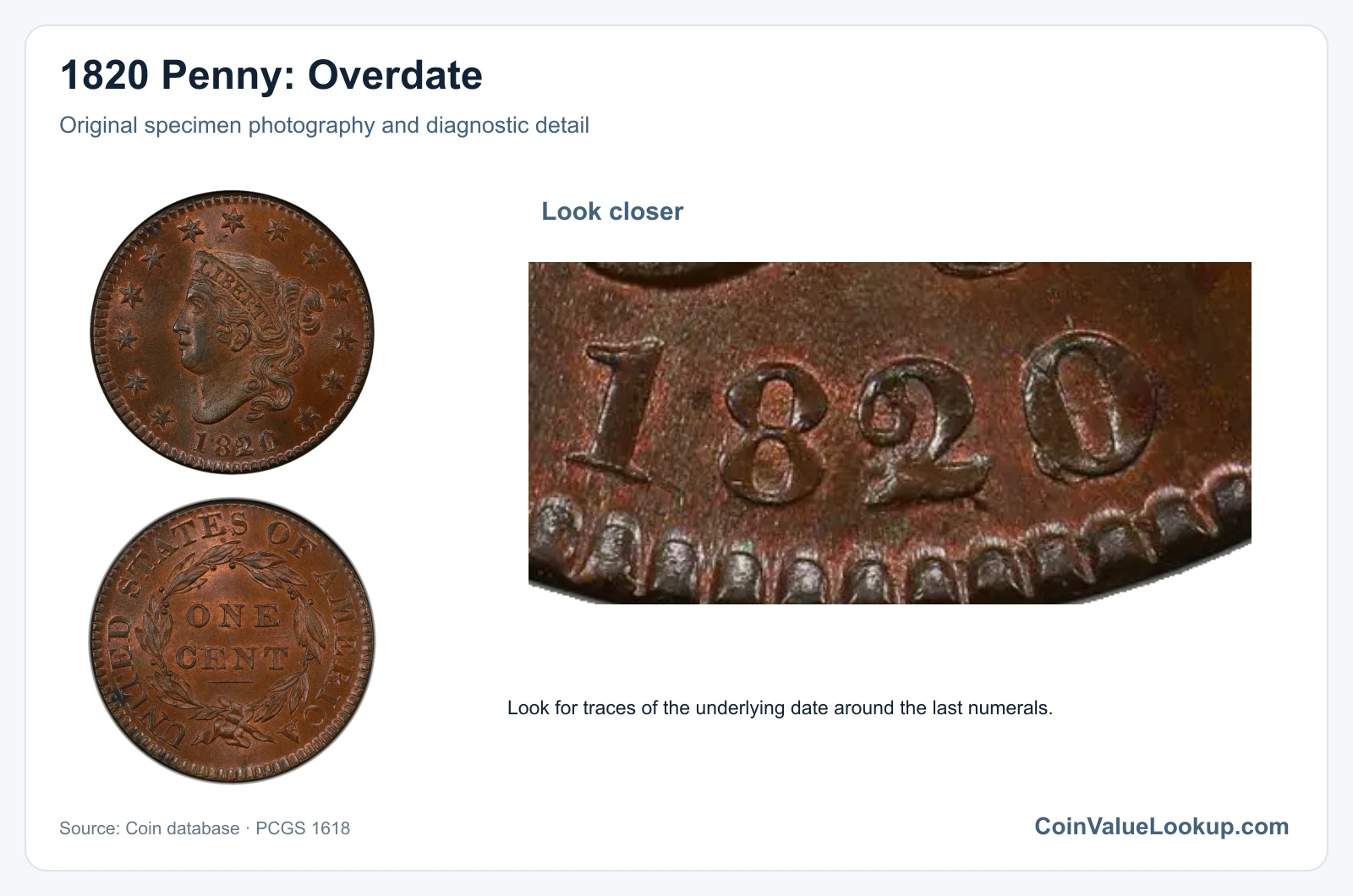
The 1820/19 overdate is both a recognized variety (covered above) and falls into the broader overdate error category. It was created when the Mint punched new date numerals over an existing date on a working die.
The traces of the underlying "19" beneath the "20" are the diagnostic.
Do not mistake a damaged date or ordinary machine doubling for an overdate. True overdates show distinct, differently positioned numeral outlines that do not shift uniformly the way doubling does.
Damage tends to be random and irregular. Compare the underlying digits carefully with known examples of the 1820/19 variety.
Because the overdate is an attributed die variety, its value is assessed individually based on sharpness, preservation, and confirmed authentication rather than a generic error premium.